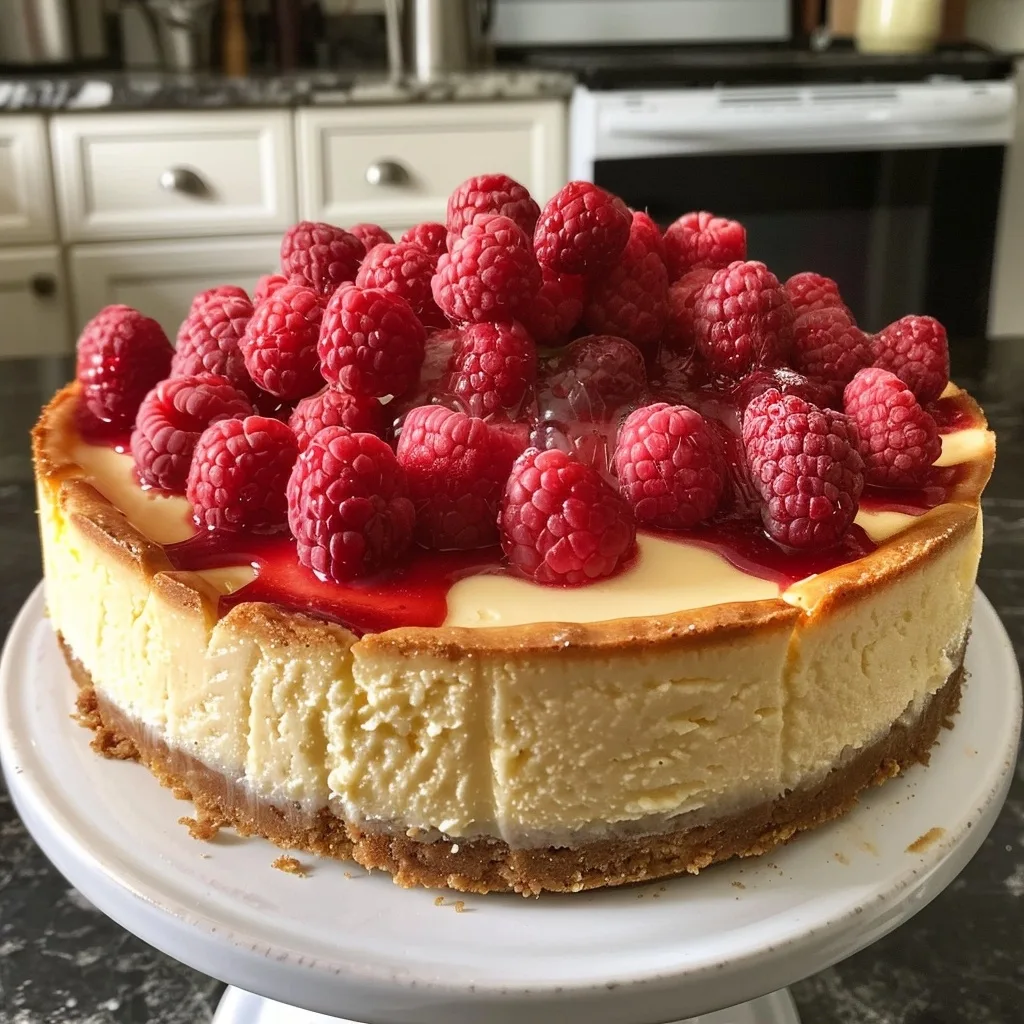
A juicy mouthwatering delicious classic cheesecake recipe provides a rich, velvety texture perfect for any dessert lover seeking the ultimate indulgence. This professional standard dessert relies on high-quality cream cheese and a slow baking process to ensure a crack-free surface. Home bakers achieve bakery-quality results by following precise temperature controls and cooling methods within this comprehensive guide to mastering the timeless treat.
| Prep Time | Cook Time | Total Time | Servings | Difficulty | Cuisine |
|---|---|---|---|---|---|
| 20 mins | 75 mins | 7 hours | 12 | Intermediate | American |
Why This Recipe Works
This recipe works because it balances the dense, tangy nature of premium cream cheese with the delicate crumb of a graham cracker crust. I developed this process to eliminate the common pitfalls of dry edges or collapsed centers, ensuring a reliable success rate for every baker.
The secret lies in a low-temperature water bath that acts as heat insurance for the delicate egg proteins. This method maintains a moist environment which keeps the moisture locked inside the batter, resulting in that signature juicy mouthfeel fans of classic cheesecake adore. You will find that the extended cooling period is equally vital to stabilize the structure before serving.
Ingredients
| Ingredient | Quantity | Notes |
|---|---|---|
| Cream Cheese | 32 oz | Full-fat, room temperature |
| Granulated Sugar | 1.5 cups | Standard white sugar |
| Sour Cream | 1 cup | Full-fat for best texture |
| Large Eggs | 4 units | Room temperature |
| Vanilla Extract | 2 tsp | Pure vanilla, not imitation |
| Graham Crackers | 1.5 cups | Fine crumbs |
| Unsalted Butter | 6 tbsp | Melted |
Step-by-Step Instructions
Preparing the Crust
- Combine graham cracker crumbs, sugar, and melted butter in a medium mixing bowl.
- Press the mixture firmly into the bottom of a 9-inch springform pan to form an even layer.
- Bake at 350 degrees Fahrenheit for 10 minutes until set and fragrant.
- Remove the pan from the oven and reduce the temperature to 325 degrees Fahrenheit.
Creating the Filling
- Beat the cream cheese and sugar together on medium speed until perfectly smooth.
- Add the sour cream and vanilla extract, mixing until just incorporated into the base.
- Introduce eggs one at a time, using the lowest mixer speed to avoid adding excess air.
- Pour the batter carefully over the pre-baked graham cracker crust.
- Wrap the outside of the pan in heavy-duty aluminum foil to prevent water seepage.
- Place the pan into a larger roasting dish and add boiling water until it reaches halfway up the sides.
Baking and Cooling
- Bake for 75 minutes until the edges are firm but the center still wobbles slightly.
- Turn off the oven and leave the door slightly ajar for one hour to prevent rapid cooling.
- Refrigerate the cheesecake for at least six hours before removing the pan rim.
Chef Tips for Perfect Results
- Ensure all ingredients are at room temperature to prevent lumps in the batter.
- Use a silicone spatula to scrape the bowl frequently while mixing the cream cheese.
- Wrap your springform pan in multiple layers of wide foil to ensure a complete water-tight seal.
- Run a warm knife around the edge of the pan before releasing the latch to avoid surface tearing.
- Chill the cheesecake overnight for the absolute best flavor development and texture consistency.
Common Mistakes to Avoid
- Mixing at high speed incorporates too much air, which causes the cheesecake to rise and crack. Use the low setting exclusively.
- Overbaking turns the texture grainy rather than silky. Remove the cake when the center still moves like a gentle wave or gelatin.
- Opening the oven door during baking causes temperature fluctuations, leading to cracks. Keep the door closed until the final instruction.
- Using low-fat ingredients compromises the mouthfeel and stability. Stick to full-fat dairy for a truly professional outcome.
Variations and Substitutions
| Ingredient | Substitution | Impact |
|---|---|---|
| Sour Cream | Greek Yogurt | Adds a slightly tangier and thinner consistency |
| Graham Crackers | Biscoff Cookies | Produces a spiced, caramelized crust flavor |
| Vanilla Extract | Almond Extract | Creates a distinct, nutty aroma profile |
Serving Suggestions and Pairings
Serve this classic cheesecake with a fresh strawberry compote or a dollop of unsweetened whipped cream for balance. It pairs excellently with a dark roast coffee or a pot of loose-leaf Earl Grey tea during sophisticated dinner gatherings. For holiday events, consider drizzling a warm chocolate ganache over the top of the chilled cake.
Storage and Reheating
| Method | Duration | Instructions |
|---|---|---|
| Refrigerator | 5 days | Keep in an airtight container or original pan wrapped. |
| Freezer | 2 months | Wrap individual slices in plastic wrap followed by foil. |
Nutritional Information
| Nutrient | Amount per Serving (Approximate values) |
|---|---|
| Calories | 480 |
| Total Fat | 35g |
| Protein | 8g |
| Carbohydrates | 38g |
Frequently Asked Questions
Can I successfully substitute Greek yogurt for sour cream?
Yes, you can substitute Greek yogurt for sour cream in equal amounts. This swap maintains acidity while slightly reducing the overall fat content of the recipe.
How do I identify when the cheesecake is perfectly done?
The cheesecake is done when the edges are set and puffy while the center maintains a slight Jell-O style wobble. The internal temperature should reach approximately 150 degrees Fahrenheit at the center.
What is the best way to prevent cracks on top?
Avoid cracks by using a water bath to maintain steady humidity and temperature during the bake. Additionally, cooling the cheesecake slowly inside the oven allows the structure to settle gently.
Can I make this dessert two days before serving?
You can prepare this dessert up to two days before serving for better flavor concentration. Keep it refrigerated and add fresh toppings only immediately before you present the cake.
Is there a way to serve cheesecake if it does not set completely?
If the cake is too soft after cooling, freeze it for two hours to firm the structure before slicing. The cold temperature stabilizes the fats and allows for clean, sharp cuts.
Mastering this classic cheesecake recipe provides a reliable foundation for your dessert repertoire. By focusing on temperature control and patience during the cooling process, you ensure a professional outcome every time. Whether you choose to serve it plain or with fresh berries, this recipe delivers consistent, mouthwatering quality that impresses guests. Embrace the process, keep your ingredients at room temperature, and enjoy the rich, velvety texture of this timeless culinary masterpiece.