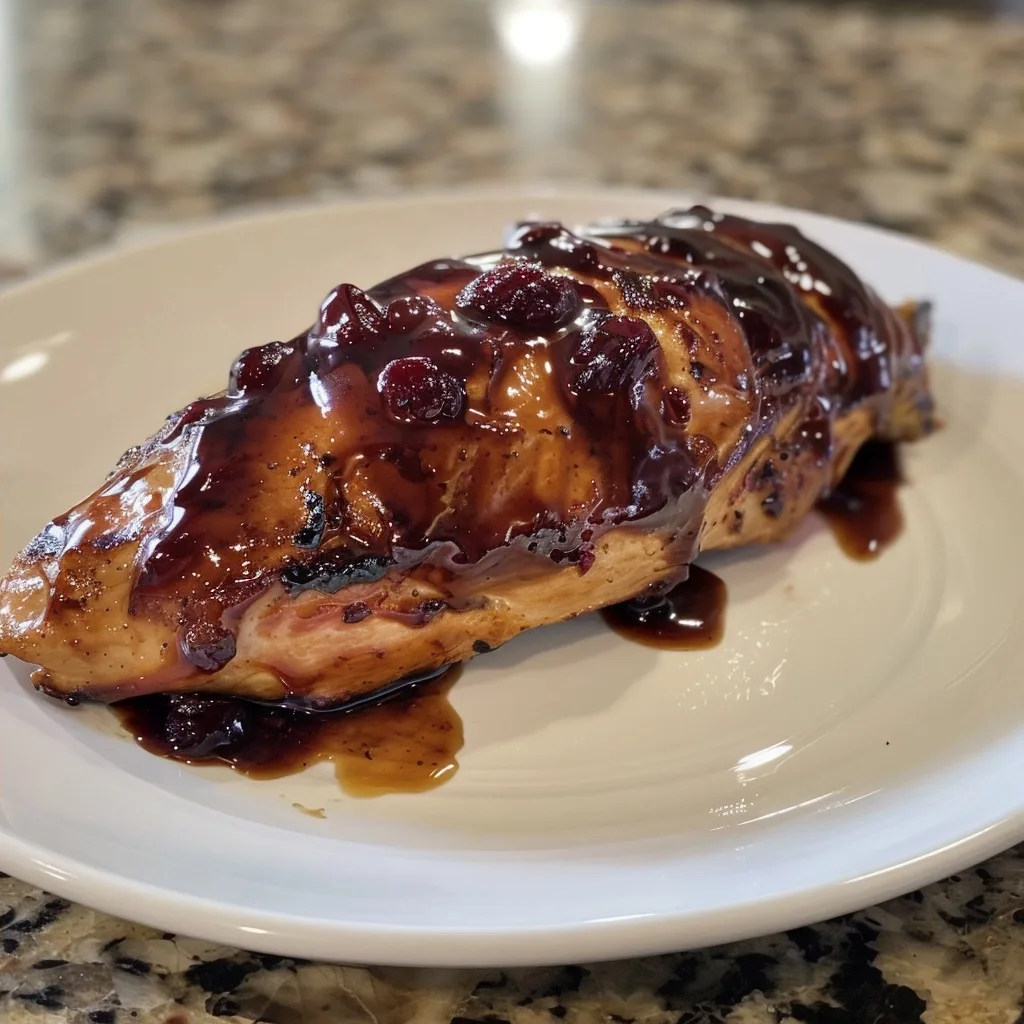
Bourbon Blackberry Glazed Chicken features tender poultry pieces coated in a rich, non-alcoholic reduction of blackberries and premium vanilla bean flavoring. This savory dinner option combines sweet fruit notes with earthy spices to create a sophisticated glaze. Home cooks achieve a restaurant-quality meal by balancing the tartness of fresh berries with savory aromatics. Follow this guide to master the art of fruit-based meat glazes in your own kitchen.
Recipe Overview
| Metric | Details |
|---|---|
| Prep Time | 15 minutes |
| Cook Time | 30 minutes |
| Total Time | 45 minutes |
| Servings | 4 servings |
| Difficulty | Easy |
| Cuisine | Modern American |
Why This Recipe Works
This dish succeeds because it utilizes the natural pectin in blackberries to create a thick, glossy finish without requiring excess flour or starch. The deep purple hue adds a stunning visual appeal to the plate, making it an excellent centerpiece for dinner parties. The flavor profile bridges the gap between sweet and savory, ensuring the poultry remains the main attraction while the sauce provides a complex depth.
My experience creating this glaze confirms that using fresh, ripe berries yields a smoother texture compared to frozen alternatives. I find that searing the poultry first creates a Maillard reaction that pairs perfectly with the acidity of the berry reduction. This technique ensures that every bite remains juicy while the exterior remains coated in a rich, syrupy glaze.
Ingredients
| Ingredient | Quantity | Notes |
|---|---|---|
| Chicken Thighs | 1.5 lbs | Boneless, skinless preferred |
| Blackberries | 2 cups | Fresh, washed |
| Vanilla Extract | 1 tsp | Non-alcoholic substitute |
| Apple Cider Vinegar | 2 tbsp | Adds necessary acidity |
| Brown Sugar | 1/4 cup | Creates caramelization |
| Garlic | 3 cloves | Minced finely |
Step-by-Step Instructions
Searing the Poultry
- Pat the chicken dry using paper towels to ensure a better sear.
- Heat a large skillet over medium-high heat with a small amount of oil.
- Place the chicken into the skillet and cook until golden brown on both sides.
- Remove the meat from the pan and set aside on a plate.
Reducing the Glaze
- Add minced garlic to the same skillet and sauté until fragrant.
- Pour in the blackberries, apple cider vinegar, and brown sugar.
- Mash the berries using a wooden spoon to release their juices.
- Simmer the mixture until it reduces by half and thickens significantly.
Finishing the Dish
- Return the chicken to the skillet, turning to coat each piece in the glaze.
- Cook for an additional five minutes or until the internal temperature reaches 165 degrees Fahrenheit.
- Drizzle any remaining sauce over the meat before serving.
Chef Tips for Perfect Results
- Use a heavy-bottomed skillet to prevent the sugary glaze from burning during the final reduction phase.
- Strain the sauce through a fine-mesh sieve if you prefer a perfectly smooth, seedless glaze texture.
- Ensure the poultry rests for five minutes after cooking to redistribute the internal juices for maximum tenderness.
- Adjust the sweetness by adding a teaspoon of Dijon mustard to cut through the sugar intensity.
Common Mistakes to Avoid
- Overcrowding the pan causes the poultry to steam rather than sear, which prevents a crisp outer layer.
- Adding the glaze too early leads to burnt sugars; apply the reduction only during the final stage of cooking.
- Failing to reduce the sauce enough results in a thin liquid that slides off the meat instead of coating it.
- Using high heat throughout the process scorches the delicate berry sugars, turning the sauce bitter.
Variations and Substitutions
| Ingredient | Substitution | Impact |
|---|---|---|
| Blackberries | Blueberries | Milder flavor, sweeter finish |
| Brown Sugar | Maple Syrup | Adds a deep woodsy note |
| Apple Cider Vinegar | Balsamic Vinegar | Increases tang and depth |
Serving Suggestions and Pairings
Serve this dish alongside roasted root vegetables like carrots or parsnips to complement the berry sweetness. A side of fluffy garlic herb couscous or creamy mashed potatoes acts as a perfect vessel for the extra glaze. For a balanced meal, pair the main with a crisp arugula salad tossed in a lemon vinaigrette.
Storage and Reheating
| Method | Duration | Instructions |
|---|---|---|
| Refrigerator | 3 days | Store in an airtight container |
| Reheating | 5 minutes | Warm in a skillet over low heat |
Nutritional Information
Approximate values per serving.
| Nutrient | Amount |
|---|---|
| Calories | 320 |
| Protein | 28g |
| Carbohydrates | 18g |
| Fat | 12g |
Frequently Asked Questions
Can I use frozen blackberries for this glaze?
Frozen blackberries work well when thawed and drained of excess water before you begin the reduction process. Ensure you allow the extra liquid to evaporate to keep the glaze texture thick and flavorful.
How do I know when the chicken is fully cooked?
The meat is safe to consume once an instant-read thermometer inserted into the thickest part reads 165 degrees Fahrenheit. Avoid relying on visual cues alone to ensure the internal temperature meets food safety standards.
What is the best way to thicken the sauce further?
A simple cornstarch slurry consisting of one teaspoon of starch and one tablespoon of cold water effectively thickens the sauce instantly. Whisk this mixture into the simmering glaze during the final minute of cooking to achieve your desired consistency.
Can I prepare the glaze ahead of time?
You can prepare the blackberry reduction up to two days in advance and store it in the refrigerator. Reheat the sauce gently before adding the cooked poultry to ensure a fresh, vibrant finish.
What can I use as a substitute for balsamic vinegar?
Rice wine vinegar or additional lemon juice provides the necessary acidity to balance the blackberries. Choose a mild acid that does not overpower the delicate fruit notes of the sauce.
This Bourbon Blackberry Glazed Chicken offers a sophisticated culinary experience by highlighting the natural marriage of savory poultry and tangy fruit. Mastering this reduction technique allows you to transform basic ingredients into a memorable dinner. Enjoy the balance of flavors and the rich, glossy finish that defines this dish. Experiment with these steps to make this recipe a staple in your home cooking rotation.