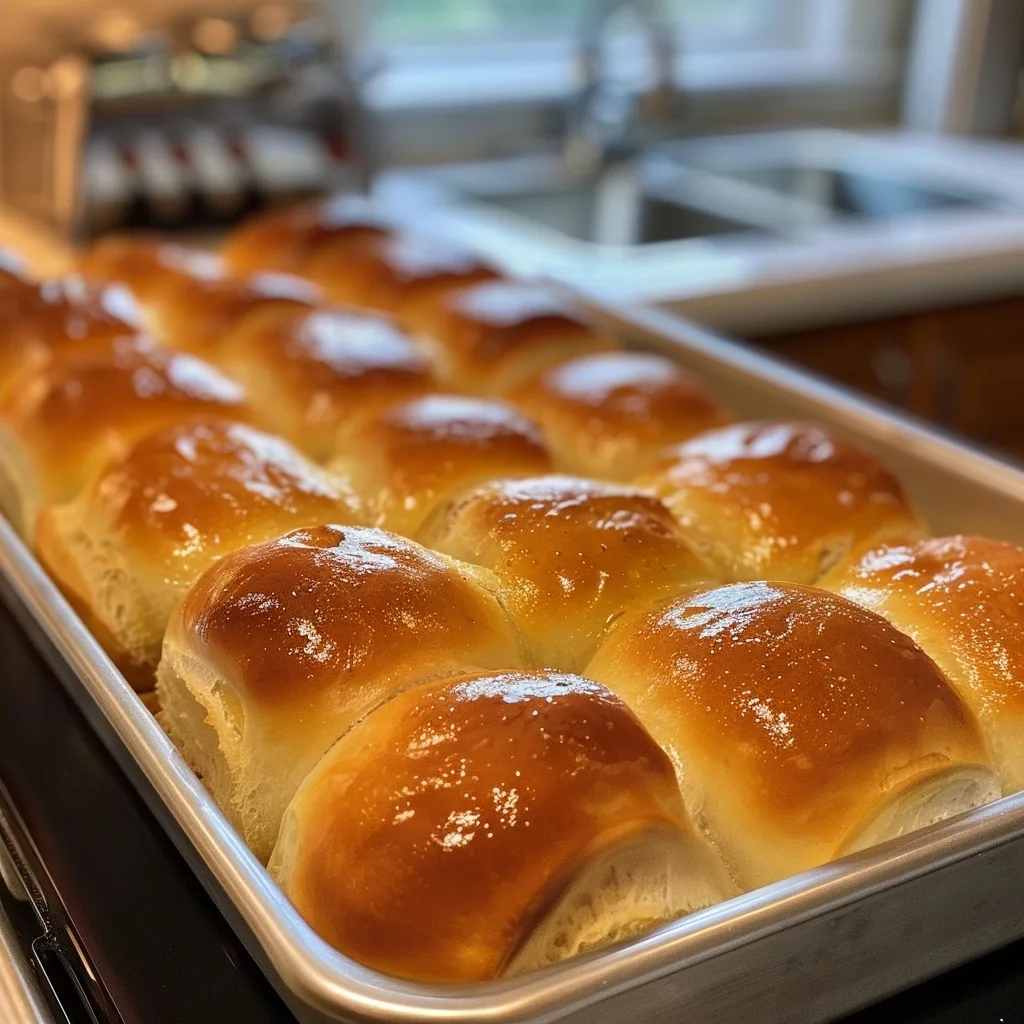
Homemade dinner rolls provide the perfect foundation for any meal, offering a light and buttery texture that store-bought versions cannot replicate. Mastering the art of yeast-based baking allows you to create these golden, pillowy cushions in your own kitchen with just a few basic pantry staples. This recipe guarantees consistent results, ensuring your dining table features fresh, warm bread every single time.
| Category | Details |
|---|---|
| Prep Time | 20 minutes |
| Cook Time | 15 minutes |
| Total Time | 2 hours 35 minutes (including rising) |
| Servings | 12 rolls |
| Difficulty | Intermediate |
| Cuisine | American |
Why This Recipe Works
This recipe works because it relies on the proper activation of active dry yeast and a specific flour-to-fat ratio that keeps the crumb tender. By allowing the dough to perform two distinct rises, you develop a deep, complex flavor profile while ensuring the rolls possess an airy structure. The addition of milk instead of water adds richness to the dough, which contributes to a soft, golden crust after baking.
I developed this method after testing dozens of batches to ensure that home bakers of all levels achieve success. The dough is easy to handle, not overly sticky, and shapes beautifully without excessive flour. You will appreciate how these rolls stay fresh for days, making them the ultimate accompaniment for savory roast chicken or holiday dinners.
Ingredients
| Ingredient | Quantity | Notes |
|---|---|---|
| All-Purpose Flour | 4 cups | Bread flour can be substituted for chewier rolls |
| Active Dry Yeast | 2 1/4 tsp | Ensure the expiration date is current |
| Warm Milk | 1 1/2 cups | Must be between 105-110 degrees Fahrenheit |
| Unsalted Butter | 1/3 cup | Melted and slightly cooled |
| Granulated Sugar | 3 tbsp | Feeds the yeast for proper rise |
| Fine Sea Salt | 1 tsp | Balances the sweetness of the sugar |
| Large Egg | 1 unit | Room temperature for better integration |
Step-by-Step Instructions
Activating the Yeast
- Combine the warm milk and sugar in a large mixing bowl until dissolved.
- Sprinkle the yeast over the surface and stir gently.
- Let the mixture sit for 10 minutes until it becomes foamy.
Preparing the Dough
- Add the melted butter, egg, and two cups of flour to the yeast mixture.
- Mix the ingredients on a low setting using a stand mixer with a dough hook.
- Add the remaining flour and salt gradually until the dough pulls away from the sides.
- Knead the dough for five minutes until it becomes smooth and elastic.
Rising and Shaping
- Place the dough in a greased bowl and cover it with a warm, damp cloth.
- Allow the dough to rise in a warm environment for 60 to 90 minutes.
- Punch the risen dough down to release excess air bubbles.
- Divide the dough into 12 equal portions and roll them into tight spheres.
- Arrange the spheres in a greased baking pan and cover for a second rise.
Baking the Rolls
- Preheat your oven to 375 degrees Fahrenheit.
- Bake the rolls for 15 to 18 minutes until the tops are golden brown.
- Brush the hot rolls with extra melted butter immediately upon removing them from the oven.
Chef Tips for Perfect Results
- Use an instant-read thermometer to ensure your milk is precisely 110 degrees, as excessive heat will kill the yeast.
- Measure your flour using the spoon-and-level method to avoid adding too much, which leads to dense rolls.
- Create a warm proofing environment by placing your bowl inside an oven that was recently turned off but is not currently running.
- Ensure the rolls are placed close together in the pan so they rise upward rather than outward, resulting in softer sides.
Common Mistakes to Avoid
- Adding flour too quickly often results in dry, heavy rolls that lack a soft texture.
- Failing to allow a full second rise prevents the rolls from achieving their signature airy height.
- Using cold eggs directly from the refrigerator inhibits yeast activity during the first mixing phase.
- Over-baking causes the crust to become hard instead of maintaining a delicate, buttery exterior.
Variations and Substitutions
| Ingredient | Substitution | Impact on Flavor |
|---|---|---|
| Milk | Almond Milk | Produces a nuttier, slightly lighter crumb |
| Sugar | Honey | Adds a subtle floral sweetness and moisture |
| Butter | Olive Oil | Creates a denser, more Mediterranean-style roll |
Serving Suggestions and Pairings
Serve these rolls warm alongside a classic beef stew or a creamy vegetable soup. They serve as the perfect vessel for leftover turkey sandwiches or as a simple accompaniment to a holiday feast. Brush the tops with garlic-infused butter to elevate them into savory garlic dinner rolls for Italian-inspired pasta nights.
Storage and Reheating
| Method | Duration | Instructions |
|---|---|---|
| Room Temp | 2 days | Store in an airtight container or plastic bag |
| Freezer | 3 months | Wrap individually in foil and place in a freezer bag |
| Oven Reheat | 5 minutes | Warm at 300 degrees until soft and fragrant |
Nutritional Information
| Nutrient | Amount per Serving |
|---|---|
| Calories | 180 kcal |
| Protein | 5g |
| Fat | 6g |
| Carbohydrates | 26g |
| Fiber | 1g |
| Sugar | 4g |
| Sodium | 210mg |
Approximate values per serving.
Frequently Asked Questions
Can I make these homemade dinner rolls ahead of time?
You can prepare the dough through the first rise and refrigerate it overnight to slow down the fermentation process. Simply bring the dough to room temperature before shaping and performing the final rise the next morning.
How do I know when the rolls are fully baked?
The rolls are finished when they reach a deep golden brown color and sound hollow when the tops are tapped gently. An internal temperature of 190 degrees Fahrenheit confirms they are cooked through the center.
What is the best way to substitute active dry yeast?
Instant yeast works perfectly as a direct one-to-one substitute for active dry yeast. You do not need to activate instant yeast in milk, though it is still recommended for even distribution.
Why are my rolls tough instead of soft?
Toughness is usually caused by excessive flour or over-kneading the dough during the mixing process. Ensure you stop kneading once the dough surface is smooth and springs back when pressed.
Can I add herbs to this dinner roll recipe?
Fresh rosemary, thyme, or garlic powder can be added directly to the dry flour mixture for a savory boost. Fold these aromatics in during the final stages of the initial mixing phase for the best dispersion.
These homemade dinner rolls represent the gold standard for home baking, offering a level of satisfaction that elevates any meal. By following these precise techniques, you ensure a fluffy, golden outcome that impresses family and guests alike. Practice these steps to master the texture and aroma of bakery-quality bread in your own home. Enjoy the simple, comforting essence of warm, fresh bread with every batch you bake for your loved ones.